Ad Blocker Detected
Our website is made possible by displaying online advertisements to our visitors. Please consider supporting us by disabling your ad blocker.
Understanding the PSI rating of a rotary screw air compressor is essential for optimizing performance and ensuring equipment longevity. It directly influences airflow consistency, energy efficiency, and component durability. But selecting the correct PSI depends on multiple factors, including application needs and compressor design. As we examine the key considerations and operational guidelines, you’ll gain insights that can substantially impact your system’s efficiency and reliability.
Key Takeaways
- PSI rating indicates the maximum pressure the compressor can safely deliver.
- Typical PSI ranges for rotary screw compressors vary from 80 to 150 PSI depending on application.
- Proper PSI settings ensure optimal performance, energy efficiency, and air quality.
- Adjusting PSI within manufacturer-recommended ranges prevents equipment strain and contamination.
- Regular calibration and monitoring help maintain the correct PSI for consistent operation.
Understanding PSI Ratings and Their Role in Air Compressor Performance
Understanding PSI ratings is essential for evaluating an air compressor’s performance because PSI (pounds per square inch) directly measures the pressure output of the system. Accurate PSI ratings influence air quality, as higher pressure levels ensure consistent delivery for precision tasks, reducing contamination risks. Additionally, PSI impacts energy efficiency; operating within ideal pressure ranges minimizes energy waste and prevents unnecessary power consumption. Excessively high PSI can strain components and compromise air quality by introducing moisture or particulates, while low PSI may result in insufficient airflow. Consequently, analyzing PSI ratings helps refine operational parameters, ensuring the compressor maintains desired air quality standards while maximizing energy efficiency. By understanding these ratings, users can select systems that deliver reliable performance with minimal environmental impact.
How PSI Affects Rotary Screw Air Compressor Functionality
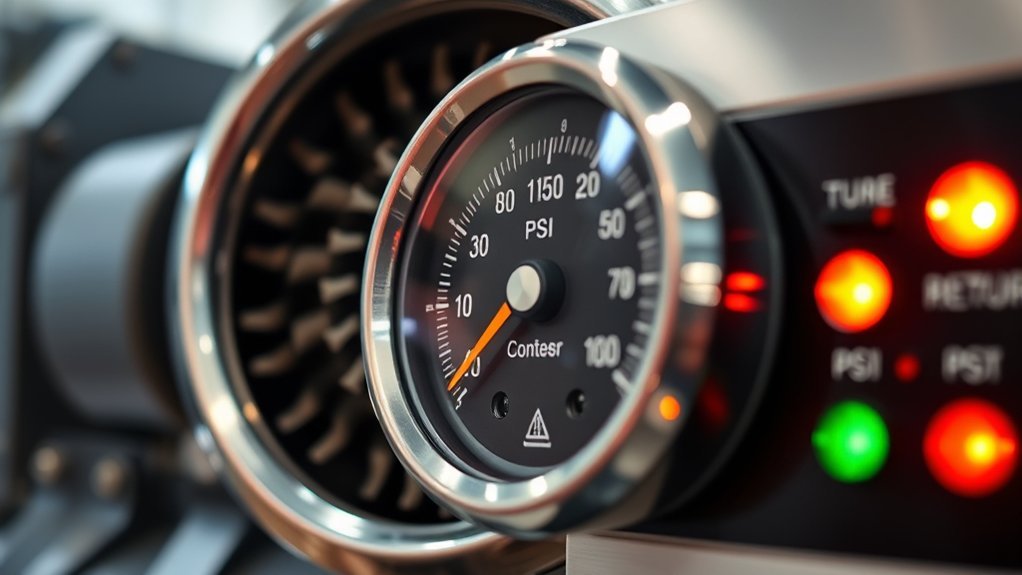
The pressure setting, measured in PSI, directly influences the operational efficiency and performance stability of a rotary screw air compressor. Higher PSI levels typically increase airflow capacity but can compromise air quality by introducing contaminants if filters aren’t maintained properly. Conversely, operating at ideal PSI ensures consistent air delivery, reducing strain on internal components and extending maintenance schedules. Maintaining appropriate pressure levels minimizes fluctuations that could cause wear and tear, thereby supporting stable performance. Precise PSI control also helps prevent moisture accumulation, which directly impacts air quality and downstream equipment lifespan. Ultimately, understanding how PSI affects compressor functionality allows for better calibration, promoting efficient operation, cleaner air output, and more predictable maintenance routines.
Factors to Consider When Choosing the Right PSI for Your Needs
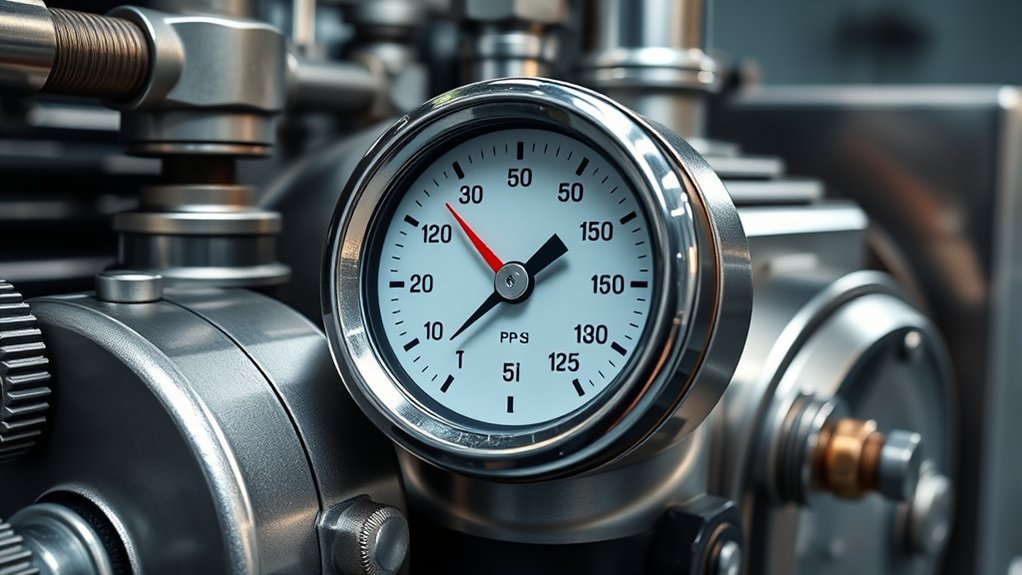
Choosing the appropriate PSI setting for your rotary screw air compressor requires a careful assessment of several operational and environmental factors. Key considerations include air quality requirements, as higher PSI levels can increase the presence of contaminants or moisture if the system isn’t properly maintained. Additionally, energy consumption is directly impacted by PSI; operating at higher pressures often results in increased power usage, affecting operational costs. It’s essential to match the compressor’s PSI to your specific application to optimize efficiency and minimize unnecessary energy expenditure. We must also evaluate the compressor’s capacity to maintain consistent pressure under varying load conditions, ensuring stable air quality. Striking the right balance between PSI, air quality, and energy use helps improve system longevity and operational efficiency.
Common Applications and Recommended PSI Ranges for Rotary Screw Compressors
Most rotary screw compressors operate effectively within specific PSI ranges tailored to their primary applications. For example, general manufacturing often requires 100-125 PSI, balancing power consumption and maintenance schedules. Lower PSI settings, around 80-100, are suitable for light-duty tasks, conserving energy and reducing wear. In contrast, heavy-duty industrial applications may demand 125-150 PSI, which increases power consumption but guarantees sufficient airflow. Understanding these ranges helps maximize performance and lifespan. Maintaining ideal PSI levels aligns with scheduled maintenance, preventing overpressure issues that can accelerate component wear. Properly matched PSI settings also minimize unnecessary energy use, directly impacting operational costs. By selecting the correct application-specific range, operators can ensure efficiency, reduce downtime, and extend compressor longevity.
How to Adjust and Optimize PSI Settings Safely and Effectively
Adjusting and optimizing PSI settings on a rotary screw compressor requires a systematic approach to guarantee safety and efficiency. First, we evaluate the current air quality and verify that filters and separators are properly maintained, as contaminants can impact pressure regulation. Second, we consult the manufacturer’s specifications and adhere to recommended PSI ranges aligned with the compressor’s application, avoiding over-pressurization. Third, we implement a consistent maintenance schedule that includes regular calibration of pressure controls and monitoring system performance. This proactive approach prevents pressure fluctuations that could compromise air quality or damage components. By following these steps, we assure ideal compressor operation, uphold safety standards, and maximize energy efficiency, all while maintaining consistent air output aligned with operational demands.
Key Tips for Evaluating PSI Ratings When Comparing Different Compressor Models
When evaluating PSI ratings across different compressor models, it’s essential to compare them within the context of their intended operational applications. Consider how air quality and noise levels relate to PSI specifications; higher PSI doesn’t always equate to better performance for your needs. Use the following table to analyze key factors:
| Factor | Consideration |
|---|---|
| Air Quality | Higher PSI can increase contaminants; guarantee filtration is adequate |
| Noise Levels | Higher PSI typically boosts noise; assess acoustic impact |
| Operating Range | Confirm the compressor’s PSI matches your system requirements |
| Efficiency | Evaluate if higher PSI affects energy consumption and efficiency |
| Application Fit | Match PSI ratings to specific tasks for ideal performance |
This approach guarantees precise comparisons, aligning PSI ratings with operational priorities.
Frequently Asked Questions
How Does Altitude Influence PSI Ratings in Rotary Screw Compressors?
Altitude effects cause pressure variations, reducing PSI ratings in rotary screw compressors at higher elevations. We analyze how decreased atmospheric pressure impacts compressor performance, emphasizing the need for altitude-specific adjustments to maintain ideal operation and consistent pressure output.
Are Higher PSI Ratings Always Better for Industrial Applications?
Higher PSI ratings aren’t always better; they can impact lubrication efficiency and noise levels, potentially reducing compressor lifespan and increasing operational costs. We recommend selecting PSI ratings aligned with specific industrial needs for ideal performance and efficiency.
What Safety Precautions Should Be Taken When Increasing PSI Levels?
When increasing PSI levels, we prioritize safety by wearing appropriate gear and monitoring pressure gauges closely, ensuring the system’s integrity, preventing over-pressurization, and adhering to manufacturer specifications and industry safety standards for maximum protection.
How Does PSI Impact Energy Consumption of a Compressor?
Higher PSI increases energy consumption due to greater work demand, making lubrication maintenance essential for efficiency. Additionally, elevated PSI often raises noise levels, so implementing noise reduction strategies helps optimize compressor performance and reduce operational costs.
Can PSI Settings Affect the Lifespan of the Compressor?
Adjusting PSI settings can influence compressor lifespan by affecting maintenance schedules and lubrication requirements; higher pressures may accelerate wear, necessitating more frequent servicing. Proper calibration guarantees ideal operation and extends the compressor’s durability.
Conclusion
In essence, understanding and properly managing PSI ratings is like tuning a finely crafted instrument—each setting impacts performance and longevity. By carefully selecting, adjusting, and maintaining ideal PSI levels, we guarantee our rotary screw compressors operate like precision machines. Regular calibration and adherence to manufacturer guidelines are our roadmap, preventing undue stress and ensuring a steady, reliable airflow. Proper PSI management isn’t just a setting; it’s the heartbeat of efficient, durable compressor performance.