Ad Blocker Detected
Our website is made possible by displaying online advertisements to our visitors. Please consider supporting us by disabling your ad blocker.
It’s a coincidence that many industries rely heavily on oil-lubricated air compressors despite their complex maintenance demands, prompting us to examine their true benefits and limitations. These compressors offer durability and smooth operation but can also incur higher operational costs and environmental concerns. Understanding the trade-offs is essential for making informed decisions, especially when considering their suitability for specific applications. Exploring these aspects helps clarify whether they’re the right choice for your needs.
Key Takeaways
- Oil-lubricated compressors offer enhanced durability and stable performance through effective friction reduction.
- They require regular maintenance, including oil changes and filter replacements, increasing operational costs.
- Proper oil management minimizes wear and extends compressor lifespan, but leaks and contamination pose environmental risks.
- Oil lubrication helps control heat and vibration, improving efficiency but adds complexity to system upkeep.
- Suitable for heavy-duty, continuous use but less ideal for sensitive applications due to potential oil contamination.
What Are Oil-Lubricated Air Compressors and How Do They Work?
Oil-lubricated air compressors are essential industrial tools that utilize oil to reduce friction and wear among moving parts, guaranteeing efficient operation and longer lifespan. They operate through a piston or rotary mechanism that compresses air, with oil providing critical lubrication. The effectiveness of this process hinges on oil viscosity; ideal viscosity ensures proper film formation, minimizing metal-to-metal contact. Lubrication consistency is important, as it maintains uniform distribution of oil, preventing fluctuations that could lead to increased friction or overheating. Proper lubrication reduces mechanical stress and enhances component durability. The oil’s properties directly influence compressor performance, making the selection of suitable oil viscosity and maintaining lubrication consistency indispensable for reliable, efficient operation over extended periods.
What Are the Main Advantages of Using Oil-Lubricated Air Compressors?
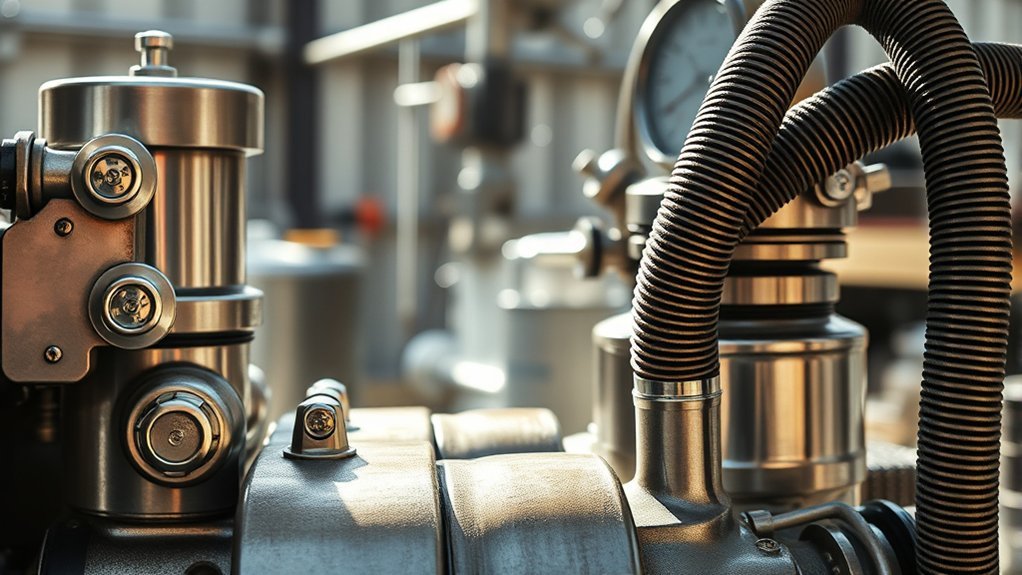
The primary advantage of oil-lubricated air compressors lies in their ability to deliver consistent performance and enhanced durability. The use of oil reduces metal-to-metal contact, minimizing wear and prolonging component lifespan. This reliability translates into lower maintenance costs and stable operation over time. Additionally, oil lubrication helps dampen vibrations, which can lower noise levels during operation, though they may still be higher compared to oil-free models. Regarding environmental impact, these compressors require regular oil disposal, raising concerns about potential contamination if not managed properly. Nonetheless, their efficient cooling and reduced component stress often lead to energy savings, offsetting some environmental concerns. Overall, oil-lubricated compressors offer a balance of longevity and consistent output, making them suitable for demanding industrial applications.
What Are the Key Disadvantages and Potential Drawbacks?
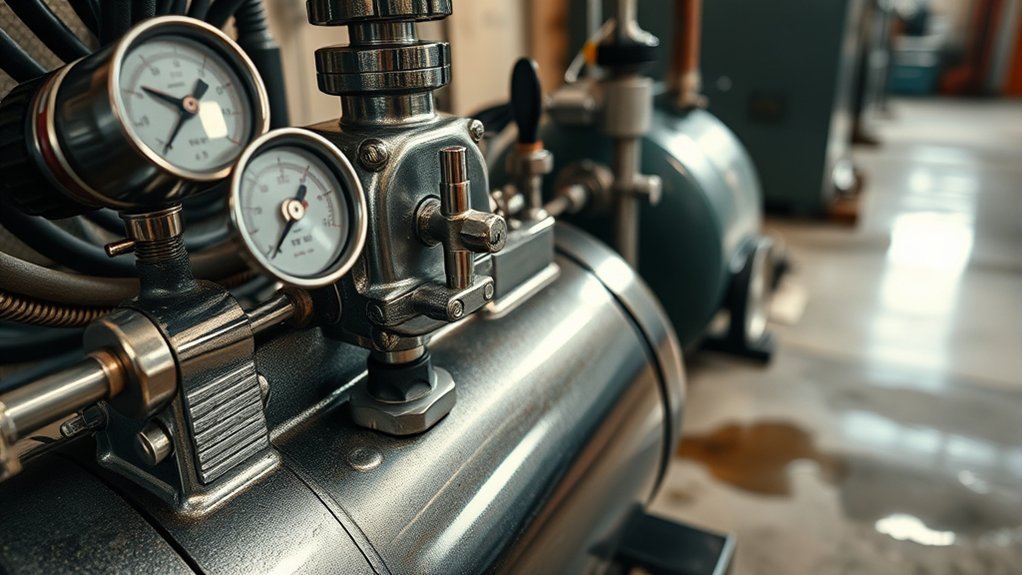
Oil-lubricated air compressors require more frequent maintenance, including oil changes and component inspections, which can increase downtime and operational complexity. Additionally, their higher operating costs stem from oil consumption, filter replacements, and potential oil leaks. These factors can affect overall efficiency and long-term affordability in demanding applications.
Increased Maintenance Requirements
While oil-lubricated air compressors offer benefits such as durability and efficiency, they also demand higher maintenance due to their complex lubrication systems. Ensuring lubrication compatibility across components requires regular inspections and oil changes to prevent system failure or wear. These units necessitate frequent monitoring of oil levels and quality, increasing operational oversight. Additionally, oil disposal becomes a critical concern, as contaminated or used oil must be handled responsibly to avoid environmental hazards. The presence of oil filters and separators further complicates maintenance routines, requiring diligent cleaning or replacement. Consequently, operators must allocate more time and resources to maintenance tasks, making these compressors more demanding to sustain than their oil-free counterparts.
Higher Operating Costs
Despite their durability, oil-lubricated air compressors tend to incur higher operating costs compared to other types. The ongoing expenses primarily stem from:
- Regular oil changes, which contribute to maintenance costs and environmental impact due to waste disposal.
- Additional energy consumption needed for oil circulation and filtration systems.
- Noise reduction measures, such as soundproofing, increase initial investment and operational expenses.
- Potential downtime for oil-related component repairs, raising productivity costs.
These factors elevate total operating expenses, affecting long-term profitability. Additionally, the environmental impact of oil disposal and the need for specialized maintenance can lead to higher costs. While oil-lubricated compressors excel in noise reduction, their operational expenses remain a significant drawback.
How Does Oil-Lubrication Impact Maintenance and Operating Costs?
The use of oil-lubrication in air compressors substantially influences both maintenance and operating costs by enhancing component longevity and reducing wear-related failures. However, oil contamination plays a critical role, as degraded or contaminated oil can accelerate component wear and increase maintenance frequency. Regular oil analysis and filtration are essential to mitigate these risks, adding to ongoing operational expenses. While oil-lubricated compressors generally require less frequent repairs due to improved component protection, maintenance tasks like oil changes and filter replacements contribute to higher routine costs. Overall, oil-lubrication can lower costs associated with wear and downtime, but these savings depend heavily on effective oil management practices. Proper maintenance reduces unexpected failures, balancing the costs of oil monitoring with operational efficiency.
Is Oil-Lubricated Compression Suitable for Your Industry and Application?
Choosing whether oil-lubricated compression suits your industry depends on specific operational requirements and environmental conditions. These compressors are ideal when industry-specific safety standards demand high reliability and minimal contamination risk. Consider the following factors:
Selecting oil-lubricated compressors depends on operational needs and safety standards.
- Environmental impacts: Oil leaks or emissions could pose concerns, especially in environmentally sensitive settings.
- Operational complexity: Industries requiring continuous, heavy-duty operation benefit from the durability and lubrication efficiency of oil-lubricated systems.
- Safety standards: Certain applications, such as food or pharmaceutical industries, may restrict oil use due to contamination risks.
- Maintenance demands: Regular oil management aligns with industries prioritizing longevity and performance.
Ultimately, suitability hinges on balancing environmental impacts with safety compliance and operational efficiency tailored to your industry’s demands.
How Do Oil-Lubricated Compressors Compare to Oil-Free Alternatives?
Oil-lubricated compressors and oil-free alternatives each offer distinct advantages and limitations that influence their suitability for various applications. Oil-lubricated models typically provide longer service life and better efficiency due to superior lubrication, reducing wear and maintenance costs. However, they require effective oil filtration systems to prevent oil carryover, which can compromise air quality. In contrast, oil-free compressors eliminate the need for oil filtration, simplifying maintenance and reducing environmental impact by avoiding oil disposal issues. While they may have higher initial costs and shorter lifespans, their cleaner operation makes them ideal for sensitive environments like healthcare or food processing. Ultimately, the choice hinges on balancing operational efficiency, environmental considerations, and maintenance requirements for each specific application.
What Are the Common Challenges and Troubleshooting Tips?
Identifying oil leaks and controlling compressor heat are critical for maintaining ideal performance. We need to systematically diagnose leaks and monitor temperature levels to prevent component damage. Addressing these challenges promptly ensures reliability and extends the lifespan of the compressor.
Identifying Oil Leaks
How can we effectively detect oil leaks in air compressors before they lead to costly damage? The key is monitoring for signs of oil contamination and compromised seal integrity. Common challenges include subtle leaks that evade visual detection and misinterpreting oil residue as routine maintenance. Troubleshooting tips include:
- Conducting regular visual inspections for oil accumulation around seals and fittings.
- Using UV dye and leak detection lamps for precise identification.
- Checking pressure gauges for unexplained drops indicating internal leaks.
- Maintaining consistent oil levels to identify early signs of leakage.
Managing Compressor Heat
Have you noticed that excessive heat in your compressor can lead to efficiency losses and equipment failure? Proper heat management is essential for peak performance. Common challenges include inadequate heat dissipation and oil filtration issues, which cause overheating and reduce oil’s lubricating properties. Troubleshooting involves inspecting cooling systems, ensuring proper airflow, and verifying oil quality. Regular maintenance of heat dissipation components prevents thermal buildup. Below is a quick reference:
| Challenge | Cause | Solution |
|---|---|---|
| Overheating | Poor heat dissipation | Clean cooling fins, improve airflow |
| Oil degradation | Contaminated oil | Regular oil filtration and replacement |
| Excessive compressor temperature | Insufficient cooling | Monitor temperature sensors and upgrade cooling system |
| Thermal stress | High load conditions | Reduce load or upgrade system |
| Inefficient heat transfer | Dirty heat exchangers | Schedule routine cleaning |
How Can You Minimize Oil Contamination in Compressed Air?
Minimizing oil contamination in compressed air systems is crucial for guaranteeing product quality and protecting downstream equipment. Effective contamination prevention relies on strategic oil filtration methods and system maintenance. To reduce oil carryover, we recommend:
Minimize oil contamination with strategic filtration and regular maintenance to ensure product quality and equipment longevity.
- Installing high-efficiency oil filters to trap microscopic oil particles before they reach the air outlet.
- Regularly inspecting and replacing filters according to manufacturer specifications.
- Using coalescing filters for larger oil droplets and particulate removal.
- Maintaining proper compressor operating parameters to prevent excessive oil carryover.
These steps ensure ideal oil filtration, minimizing contamination risks. Consistent maintenance and monitoring are essential to sustain clean air output, protecting sensitive processes and extending equipment lifespan. Proper filtration strategies are integral in managing oil-related contamination in oil-lubricated systems.
What Factors Should You Consider When Choosing an Oil-Lubricated Compressor?
Selecting the appropriate oil-lubricated compressor requires a thorough assessment of several critical factors that influence performance, efficiency, and longevity. Key considerations include oil viscosity, which impacts lubrication effectiveness and operational temperature stability. Selecting the correct viscosity guarantees reduced wear and ideal sealing, preventing premature failure. Additionally, compressor size must align with your airflow and pressure requirements; an undersized unit may struggle under load, while an oversized one can lead to unnecessary energy consumption. Evaluating your application’s specific demands helps determine the appropriate compressor capacity and oil specifications. Other factors, such as duty cycle, maintenance requirements, and ambient operating conditions, also influence the choice. A well-informed decision guarantees reliable operation, minimizes downtime, and extends equipment lifespan.
Frequently Asked Questions
How Long Is the Typical Lifespan of an Oil-Lubricated Air Compressor?
Oil-lubricated air compressors typically last 8 to 12 years with proper maintenance, including regular maintenance schedules and effective oil filtration, which prevent wear and contamination, thereby extending their operational lifespan and ensuring consistent performance.
What Are the Environmental Impacts of Oil Leaks From These Compressors?
Imagine a tiny, silent oil spill seeping into soil, risking environmental contamination. Oil leaks from compressors pose significant risks, potentially contaminating water sources and amplifying environmental impacts through oil spill risks, demanding strict maintenance and containment measures.
Can Oil-Lubricated Compressors Operate Effectively at High Altitudes?
Oil-lubricated compressors can operate effectively at high altitudes, but altitude challenges require adjustments in lubricant viscosity, ensuring proper flow and lubrication. We analyze these factors to optimize performance despite reduced air density.
What Safety Precautions Are Necessary When Maintaining Oil-Lubricated Compressors?
Maintaining oil-lubricated compressors demands strict safety precautions, like preventing oil contamination and fire hazards. We always check for leaks and proper ventilation, because neglecting these can ignite equipment—like ignoring a small spark that causes a wildfire.
How Does Oil Type Affect Compressor Performance and Longevity?
We find that oil viscosity and lubrication quality directly influence compressor performance and longevity, as ideal viscosity guarantees proper lubrication flow, reduces wear, and minimizes engine stress, thereby extending equipment lifespan and maintaining consistent operational efficiency.
Conclusion
In summary, selecting an oil-lubricated air compressor involves weighing durability and performance against maintenance and environmental concerns. As we’ve seen, these compressors excel in heavy-duty settings but require diligent upkeep—much like maintaining a finely tuned steam engine. By carefully evaluating your industry needs and application specifics, you can determine if their benefits outweigh the drawbacks. Ultimately, making an informed choice guarantees ideal operation and longevity for your compressed air system.