Ad Blocker Detected
Our website is made possible by displaying online advertisements to our visitors. Please consider supporting us by disabling your ad blocker.
Imagine a facility where a sudden compressor failure caused costly downtime, all due to overlooked maintenance tasks. We’ve seen firsthand how neglecting routine inspections, filter replacements, or moisture drainage can accelerate wear and lead to premature breakdowns. Such oversights often stem from a misunderstanding of their significance or a lapse in scheduled checks. Understanding these common mistakes is essential for maintaining efficiency and safety, and there’s more to uncover about preventing these costly errors.
Key Takeaways
- Neglecting regular maintenance schedules leads to equipment failures and increased operational costs.
- Ignoring proper lubrication and oil level checks accelerates component wear and causes breakdowns.
- Failing to remove moisture and drain condensate causes corrosion and reduces compressor efficiency.
- Improper pressure regulation and skipping safety checks increase the risk of equipment damage and safety hazards.
- Overloading the compressor beyond its capacity causes overheating, faster wear, and potential catastrophic failure.
Common Mistakes in Ignoring Regular Compressor Maintenance
Neglecting regular compressor maintenance is one of the most critical mistakes that can lead to equipment failure and increased operational costs. Poor maintenance scheduling directly impacts air compressor efficiency by allowing minor issues to escalate into major failures. Without consistent inspections and timely adjustments, components such as pistons, valves, and motors wear prematurely, reducing performance. Inadequate maintenance can cause pressure drops, higher energy consumption, and inconsistent airflow, all of which compromise productivity. Implementing a strict maintenance schedule ensures lubrication, calibration, and part replacements occur before critical failures develop. This proactive approach maintains peak compressor efficiency, extends equipment lifespan, and reduces downtime. Ultimately, neglecting maintenance scheduling jeopardizes operational reliability and inflates costs due to preventable repairs.
Failing to Check and Replace Air Filters Properly
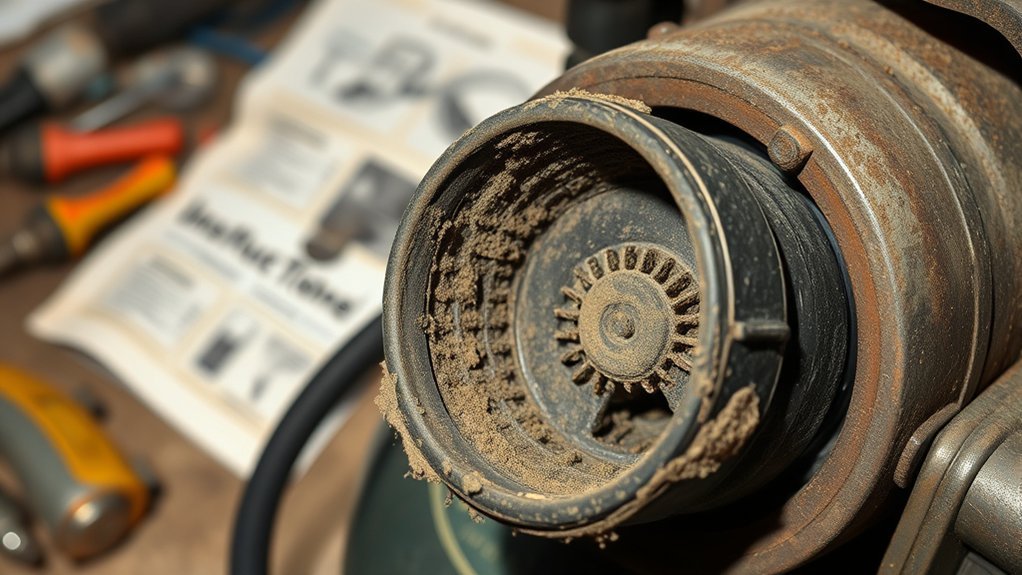
Failing to check and replace air filters at the correct intervals can considerably compromise compressor performance and longevity. An undersized or clogged air filter restricts airflow, leading to increased strain on the compressor motor and reduced efficiency. The replacement frequency should be determined based on operating conditions, environment, and manufacturer recommendations, typically ranging from every 500 to 2,000 hours of use. Neglecting timely air filter replacement allows dirt, dust, and debris to bypass the filter media, contaminating internal components and accelerating wear. Regular inspection is essential; a dirty filter visibly hampers airflow and should be replaced immediately. Proper maintenance of the air filter guarantees *ideal* airflow, reduces energy consumption, and prolongs compressor lifespan.
Overlooking the Importance of Drainage and Moisture Removal
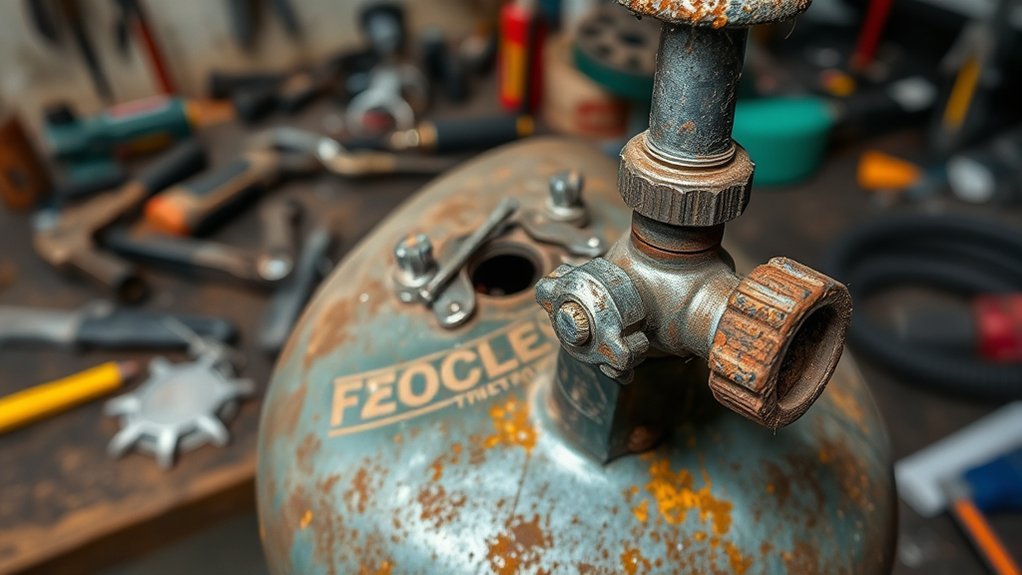
Since moisture accumulation can considerably impair compressor performance, it’s essential to prioritize effective drainage and moisture removal. Moisture buildup inside the compressor tank or lines can cause corrosion, reduce efficiency, and lead to equipment failure. Proper drainage procedures involve regularly draining condensate from tanks and ensuring moisture is expelled from the system before it causes damage. Neglecting this aspect results in residual water that accelerates corrosion and contaminates compressed air. To optimize drainage and moisture removal, consider these key practices:
- Regularly drain condensate from tanks and separators
- Use automatic drain valves for consistent moisture removal
- Install moisture separators downstream of the compressor
- Monitor for signs of moisture buildup, such as water in the air lines
Adhering to these procedures keeps moisture levels low, safeguarding compressor longevity and performance.
Neglecting Regular Inspection of Belts and Hoses
Regularly inspecting belts and hoses is essential to identify signs of wear, such as cracking, fraying, or glazing, which can lead to failure if unnoticed. Ensuring proper tension through precise measurement prevents slippage and reduces strain on the compressor. Leak detection methods, including soap solutions or ultrasonic testing, help identify cracks or loose connections that compromise system efficiency.
Signs of Wear and Tear
Neglecting to conduct regular inspections of belts and hoses can lead to unnoticed signs of wear and tear that compromise compressor performance and safety. Over time, belts develop visible cracks, glazing, or fraying, indicating imminent failure. Hoses may exhibit soft spots, swelling, or leaks, reducing airflow efficiency. A clogged air filter can accelerate belt wear by forcing the compressor to work harder. Signs of deterioration include:
- Visible cracks or fraying on belts
- Glazing or shiny surfaces indicating slipping
- Soft, swollen, or leaking hoses
- Reduced airflow or pressure drops
Ignoring these signs can cause sudden breakdowns, increased energy costs, and safety hazards. Regular visual checks are essential to identify early warning signs, maintain best operation, and prevent costly repairs.
Proper Tension Checks
Have you ever considered how essential proper tension checks are for maintaining compressor efficiency and safety? Regular inspection of belts and hoses prevents unexpected failures that can cause costly downtime. We recommend using vibration analysis to detect early signs of misalignment or imbalance, which often result from improper tension. Noise monitoring also plays a key role; unusual sounds can indicate slack or excessive tension affecting belt or hose performance. When belts are too loose, vibrations increase, and noise levels rise, signaling the need for adjustment. Conversely, overly tight belts accelerate wear and risk component damage. Consistent tension checks, combined with these diagnostic techniques, guarantee belts and hoses operate within ideal parameters, reducing the risk of failure and extending the lifespan of critical compressor components.
Leak Detection Methods
How can we guarantee that leaks in belts and hoses are promptly identified before they lead to costly downtime or equipment failure? Regular inspection is essential, supported by effective detection methods. We rely on detection tools such as ultrasonic leak detectors, soapy water solutions, and visual inspections to pinpoint air leaks precisely. These tools help identify small cracks or worn areas in hoses and belts that may not be immediately visible.
- Use ultrasonic leak detectors to detect high-frequency sound emissions from air leaks.
- Apply soapy water to suspect areas; bubbling indicates escaping air.
- Conduct visual inspections for cracks, fraying, or loose fittings.
- Monitor pressure drops over time to infer potential leaks.
Employing these detection methods guarantees early leak identification, reducing energy waste and preventing compressor failure caused by unnoticed air leaks.
Ignoring Proper Lubrication and Oil Levels
Is proper lubrication truly being prioritized in your compressor maintenance routine? Neglecting to monitor oil levels consistently can lead to severe equipment damage. Effective lubrication techniques involve regular oil checks, guaranteeing the oil remains within recommended levels, and replacing it at specified intervals. Poor oil quality, such as contamination or degradation, hampers lubrication efficiency, increasing friction and wear on essential components. Over time, this can cause overheating, compressor failure, and costly downtime. Maintaining ideal oil levels isn’t just about adding oil; it’s about using the right type, checking for contaminants, and adhering to manufacturer guidelines. By paying close attention to lubrication techniques and oil quality, we ensure smoother operation, prolong component life, and prevent avoidable breakdowns.
Using the Wrong Settings or Overloading the Compressor
Setting the compressor to incorrect pressure levels can cause system inefficiencies and equipment strain, increasing the risk of failure. Overloading the compressor beyond its rated capacity can lead to overheating, premature wear, or catastrophic damage. Ensuring proper pressure settings and load management is essential to maintain peak performance and extend equipment lifespan.
Incorrect Pressure Settings
Have you ever considered the impact of incorrect pressure settings on your air compressor’s performance and longevity? Improper pressure calibration or regulator adjustment can lead to inefficiency and equipment damage. When pressure is set too high, components face unnecessary stress, risking leaks or failure. Conversely, too low pressure reduces output quality and productivity. To prevent these issues, regularly verify your pressure calibration with precise gauges and adjust the regulator carefully.
Key points to guarantee proper pressure settings include:
- Conduct regular pressure calibration checks
- Adjust regulators precisely to manufacturer specifications
- Avoid setting pressure beyond recommended limits
- Monitor pressure gauges during operation
Properly calibrated and adjusted pressure settings optimize compressor lifespan and ensure reliable operation, preventing overloading and reducing maintenance costs.
Overloading Equipment Risks
Overloading your air compressor or using incorrect settings can profoundly compromise equipment integrity and operational efficiency. An equipment overload occurs when the compressor is pushed beyond its designed capacity, resulting in excessive heat buildup, accelerated wear, and potential component failure. Operational hazards include increased risk of motor burnout, damaged valves, and pressure fluctuations that disrupt downstream tools. Using improper pressure or flow settings forces the compressor to work harder than necessary, escalating stress on its parts. This not only shortens the lifespan of critical components but also raises the likelihood of unexpected breakdowns. To mitigate these risks, it’s essential to adhere strictly to manufacturer specifications and monitor operational parameters continuously. Proper load management guarantees safe, reliable performance and reduces costly downtime caused by equipment overload.
Skipping Routine Safety Checks and Preventive Maintenance
Neglecting routine safety checks and preventive maintenance can lead to significant equipment failures and safety hazards. Skipping these steps increases the risk of undetected issues, such as worn components or loose connections, which can cause emergency shutdowns or power fluctuations. Regular inspections help identify leaks, corrosion, or faulty sensors before they escalate. Additionally, neglected maintenance can impair safety systems, risking operator injury or equipment damage. To mitigate these risks, focus on:
- Conducting thorough visual and functional inspections regularly
- Testing safety shutdown mechanisms and emergency stop functions
- Monitoring for abnormal power fluctuations indicative of underlying issues
- Ensuring lubrication and filter replacements are up to date
Adhering to scheduled safety checks prevents costly downtime and enhances overall operational safety.
Frequently Asked Questions
How Often Should Compressor Maintenance Be Scheduled for Optimal Performance?
We recommend maintenance scheduling every 1 to 3 months, depending on usage, to guarantee performance optimization. Regular inspections, filter changes, and lubrication are essential for preventing breakdowns and maintaining compressor efficiency over time.
What Are the Signs of a Failing Air Filter?
We notice a failing air filter when airflow decreases, pressure drops, or filtration efficiency declines, often indicated by increased motor load or dust buildup. Regular air filter replacement guarantees ideal filtration efficiency and prevents compressor performance issues.
How Can I Prevent Moisture Buildup in My Compressor System?
To prevent moisture buildup, we prioritize moisture elimination through regular drain valve maintenance, ensuring it releases accumulated water efficiently. Additionally, using moisture separators and monitoring humidity levels help maintain ideal compressor system performance.
What Tools Are Needed for Inspecting Compressor Belts and Hoses?
We use a belt tension gauge and a hose pressure tester to inspect compressor belts and hoses thoroughly. These tools reveal wear, cracks, or slack, ensuring ideal belt tension and hose condition, preventing costly failures and keeping your system running smoothly.
How Do Improper Lubrication Issues Affect Compressor Longevity?
Improper lubrication causes increased wear and overheating, shortening compressor lifespan. We advise strict lubrication scheduling, using high-quality oil to guarantee ideal film protection, reduce friction, and prevent premature component failure.
Conclusion
To guarantee ideal compressor performance and longevity, we must adhere strictly to scheduled maintenance protocols. Regular inspections, timely filter replacements, moisture removal, and safety checks are crucial to prevent wear and costly failures. Neglecting these steps can be likened to ignoring essential system diagnostics—leading to unpredictable breakdowns and safety hazards. By maintaining a disciplined approach, we reduce operational risks and extend our equipment’s service life, ultimately supporting reliable and efficient compressed air systems.