Ad Blocker Detected
Our website is made possible by displaying online advertisements to our visitors. Please consider supporting us by disabling your ad blocker.
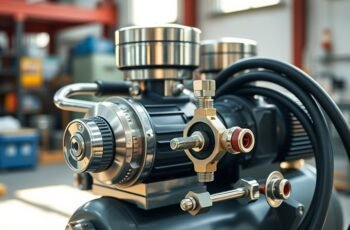
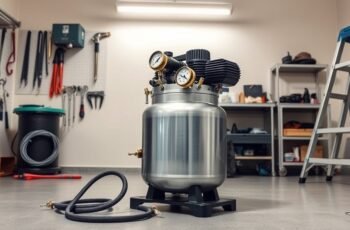
An oil-lubricated air compressor is the engine room behind many industrial processes, where precision and durability are paramount. Its core function is to compress air while minimizing wear on moving parts through continuous oil circulation. This system’s complexity and efficiency make it essential in demanding environments, but understanding its components and maintenance needs can be intricate. To grasp how these machines operate and why they’re favored in heavy-duty applications, we need to explore their design and advantages in detail.
Key Takeaways
- An oil-lubricated air compressor uses oil to reduce friction and wear on moving parts, enhancing efficiency and durability.
- It typically features components like a pump, motor, oil reservoir, and cooling system to ensure proper operation.
- Oil lubrication helps prevent overheating, reduces noise, and minimizes contamination risks in compressed air.
- These compressors are ideal for heavy-duty applications requiring continuous, high-performance airflow.
- Proper maintenance, including oil changes and filtration, is essential for optimal performance and environmental management.
What Is an Oil-Lubricated Air Compressor and How Does It Work?
An oil-lubricated air compressor is a type of rotary or reciprocating compressor that uses oil to reduce friction and wear on its moving parts. This lubrication minimizes metal-to-metal contact, enhancing efficiency and longevity. However, oil contamination can occur if seals fail, risking compressor contamination and reduced performance. Proper maintenance prevents this issue. Additionally, oil-lubricated compressors tend to generate more compressor noise compared to oil-free models, primarily due to the moving oil and internal components. The oil absorbs and dampens vibrations but also contributes to operational noise levels. Understanding the balance between effective lubrication and noise management is essential for ideal compressor operation and reliability. Regular inspection and maintenance help maintain performance while controlling noise and preventing contamination.
Key Components of an Oil-Lubricated Air Compressor
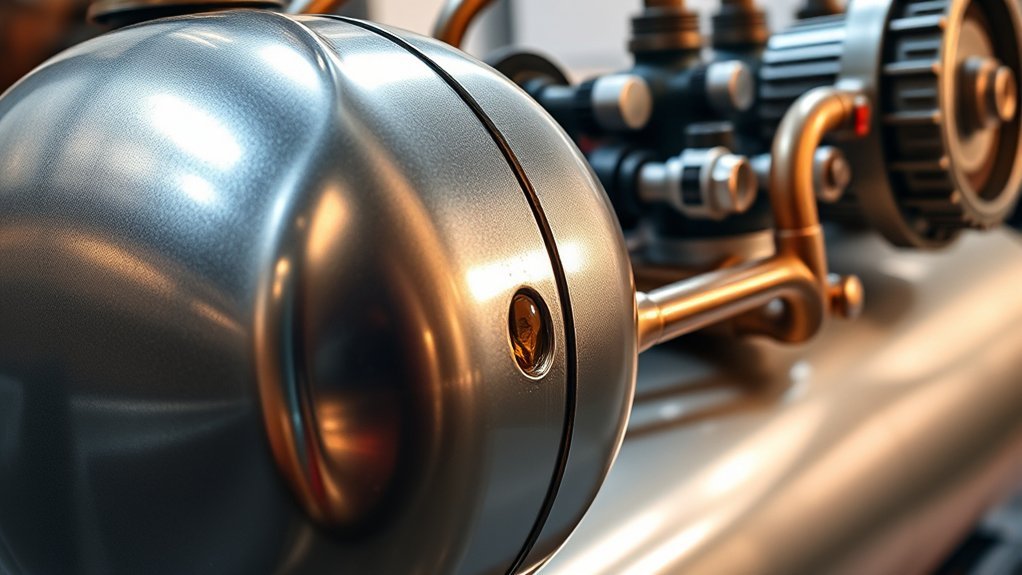
To understand how oil-lubricated air compressors operate effectively, it’s essential to identify their key components. The main components include the pump, motor, oil reservoir, and cooling system. The pump’s function is to compress air, with component functions varying between reciprocating or rotary designs. The motor powers the compression process, ensuring consistent operation. The oil reservoir supplies lubrication, reducing friction and wear within moving parts; lubrication types include splash and pressurized systems. The cooling system maintains ideal operating temperatures, preventing overheating. Each component’s precise function contributes to the compressor’s efficiency and longevity. Proper lubrication and maintenance of these components are critical for reliable performance and minimizing mechanical failures.
Benefits of Using Oil-Lubricated Compressors in Heavy-Duty Applications
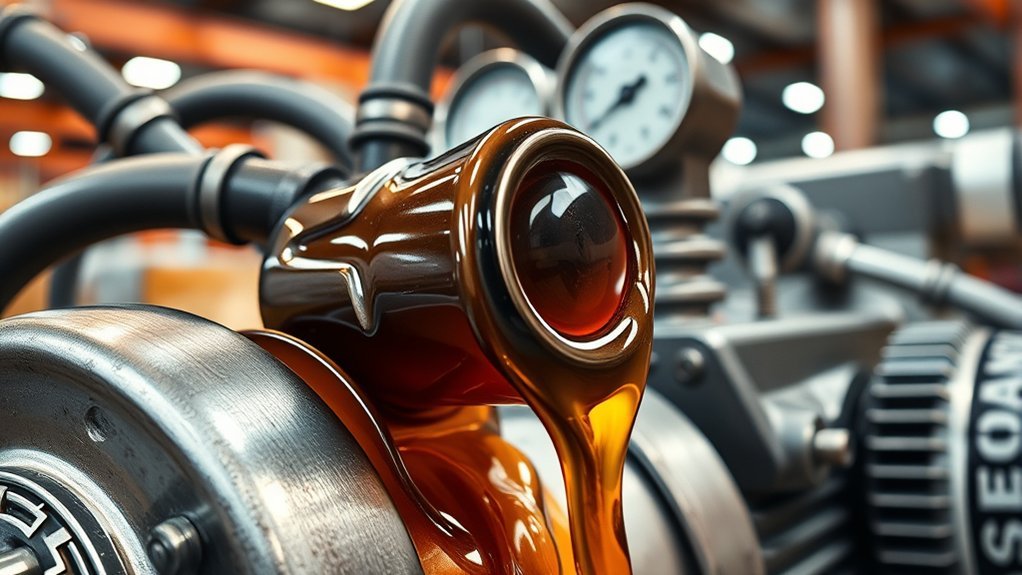
Oil-lubricated compressors offer enhanced equipment durability by reducing wear and extending service life under demanding conditions. Their superior lubrication efficiency minimizes friction losses, leading to more consistent performance in heavy-duty applications. These benefits make them a reliable choice for industrial settings requiring continuous, high-volume operation.
Enhanced Equipment Durability
Have you ever considered how lubrication impacts the lifespan of heavy-duty air compressors? Proper lubrication technology minimizes metal-to-metal contact, reducing wear and extending equipment durability. Oil lubrication also forms a protective film that prevents oil contamination from debris and moisture, which can accelerate corrosion and component failure. By maintaining ideal lubrication, we reduce the risk of overheating and mechanical stress, ensuring consistent performance under demanding conditions. This level of protection is essential for heavy-duty applications where equipment operates continuously and under high loads. Ultimately, enhanced equipment durability results from reliable lubrication practices, decreasing maintenance needs and downtime, and prolonging the operational life of the compressor. This precise approach underscores the importance of choosing the right oil-lubrication system for heavy-duty environments.
Superior Lubrication Efficiency
Because of their inherent design, oil-lubricated compressors deliver superior lubrication efficiency, which directly enhances operational performance in heavy-duty applications. Their lubrication techniques ensure consistent oil distribution, reducing friction and wear on critical components. Precise oil filtration systems remove contaminants, maintaining oil purity and preventing damage. This targeted approach minimizes metal-to-metal contact, prolonging equipment lifespan and improving reliability under demanding conditions. The continuous circulation of high-quality oil guarantees ideal thermal management, reducing overheating risks. The combination of advanced lubrication techniques and effective oil filtration results in smoother operation, lower maintenance costs, and enhanced efficiency. Overall, these features make oil-lubricated compressors suitable for heavy-duty environments where durability and performance are paramount.
How to Choose Between Oil-Lubricated and Oil-Free Compressors
When selecting between oil-lubricated and oil-free compressors, we consider maintenance demands and compliance with air quality standards. Oil-lubricated units typically require regular oil changes and system checks, whereas oil-free models demand minimal upkeep. Additionally, the intended application’s purity requirements influence the choice, as oil-free compressors produce cleaner air suitable for sensitive processes.
Maintenance Requirements
Selecting between oil-lubricated and oil-free compressors requires careful consideration of their maintenance demands. Oil-lubricated units necessitate regular oil filtration to guarantee peak performance and prevent contamination. The choice of lubricant types directly impacts maintenance frequency; synthetic oils typically require less frequent changes and offer better thermal stability, reducing downtime. Routine checks involve inspecting oil levels, replacing filters, and monitoring for oil leaks. In contrast, oil-free compressors demand less maintenance overall, as they lack oil reservoirs and filtration systems. However, they require periodic inspection of components like seals and diaphragms to prevent wear and maintain reliability. Ultimately, understanding these maintenance requirements helps in selecting a compressor aligned with operational needs and personnel capabilities.
Air Quality Standards
How do air quality standards influence the choice between oil-lubricated and oil-free compressors? These standards mandate specific air filtration levels to guarantee contaminant removal, directly impacting compressor selection. Oil-free compressors inherently produce fewer particulates, making them suitable for environments with strict air purity requirements, such as pharmaceuticals or food processing. Conversely, oil-lubricated units can introduce oil aerosols, necessitating advanced filtration systems to meet standards. Noise levels are also a factor; oil-free compressors tend to operate more quietly, which can be advantageous in sensitive environments. Ultimately, adherence to air quality standards requires evaluating the compressor’s ability to meet filtration and contamination control, guiding the decision toward oil-free units for higher purity or oil-lubricated ones where durability and lubrication are prioritized.
Maintenance Tips to Extend the Lifespan of Oil-Lubricated Compressors
Regular maintenance is essential to maximize the lifespan of oil-lubricated air compressors. Consistent oil level checks and timely oil changes prevent friction build-up, maintaining peak performance and energy efficiency. Regularly inspecting and replacing filters reduces contaminants that could impair compressor operation, promoting smoother airflow and reducing energy consumption. Proper lubrication minimizes wear on moving parts, which directly contributes to noise reduction by decreasing mechanical vibrations. Monitoring operating temperatures and pressures ensures the compressor runs within specified parameters, preventing overheating or excessive strain that shortens equipment life. Additionally, cleaning cooling systems enhances heat dissipation, further improving energy efficiency and noise control. Implementing these maintenance practices consistently not only extends the compressor’s service life but also maximizes its operational efficiency and noise profile.
Common Industries and Use Cases for Oil-Lubricated Air Compressors
Oil-lubricated air compressors are widely used across diverse industries due to their durability, efficiency, and ability to handle demanding applications. In manufacturing, they power tools and automation systems, ensuring consistent performance. The automotive industry relies on them for assembly and painting processes that require continuous, high-quality airflow. In food processing, they support sterilization and packaging, where contamination risks are minimized by proper maintenance. These compressors often exhibit superior energy efficiency, reducing operational costs, but their environmental impact must be carefully managed through proper oil filtration and disposal. Their robustness makes them suitable for heavy-duty applications, although industries are increasingly emphasizing sustainable practices. Overall, their reliability and efficiency make oil-lubricated compressors essential across sectors that demand continuous, high-performance compressed air.
Frequently Asked Questions
What Are the Environmental Impacts of Oil-Lubricated Air Compressors?
We recognize that oil-lubricated compressors impact the environment through emissions and oil disposal challenges. Effective emission control reduces pollutants, while proper oil disposal minimizes soil and water contamination, aligning with sustainable operational practices.
How Noisy Are Oil-Lubricated Air Compressors During Operation?
Oil-lubricated air compressors emit noise levels comparable to a loud conversation, with vibration levels influencing their sound. Regular maintenance reduces noise, much like tuning a musical instrument, ensuring peak operation and quieter performance.
Can Oil-Lubricated Compressors Be Used in Food-Grade Applications?
We can use oil-lubricated compressors in food-grade applications if they meet strict food safety standards, ensuring lubricant contamination is minimized through high-quality, food-grade lubricants, and proper maintenance to prevent any risk of contamination.
What Are the Safety Considerations When Operating Oil-Lubricated Compressors?
We prioritize leak prevention and proper lubricant disposal, guaranteeing no leaks contaminate our environment. Regular maintenance and monitoring are vital to prevent hazards, minimize downtime, and guarantee the safe operation of oil-lubricated compressors.
How Energy-Efficient Are Oil-Lubricated Air Compressors Compared to Oil-Free Models?
We find oil-lubricated compressors generally more energy-efficient than oil-free models due to lower internal friction, but they require more maintenance, including oil changes and filter checks, impacting overall operational costs and efficiency comparison.
Conclusion
In sum, oil-lubricated air compressors stand as the backbone of heavy-duty industrial tasks, their durability forged through meticulous design and maintenance. By understanding their components and benefits, we harness their full potential, ensuring peak performance and longevity. Like a well-oiled machine, these compressors require our attention and care. Embracing proper upkeep and informed choices allows us to sustain efficiency, making them indispensable tools in demanding environments—true champions of industrial reliability.