Ad Blocker Detected
Our website is made possible by displaying online advertisements to our visitors. Please consider supporting us by disabling your ad blocker.
Did you know that the fundamental difference between mini air compressors and portable compressors lies in their design focus—one prioritizes compactness and ease of transport, while the other emphasizes higher capacity and sustained performance? This distinction affects their suitability for various tasks, yet many overlook how these factors influence long-term efficiency and cost. Understanding these nuances can markedly impact your choice, especially when balancing immediate needs against future demands. Let’s explore how each type aligns with different applications and expectations.
Key Takeaways
- Mini air compressors are smaller, quieter, and more energy-efficient, ideal for light, portable tasks in confined spaces.
- Portable compressors have larger tanks and higher capacity, suitable for demanding, continuous, or high-pressure applications.
- Mini units are generally more affordable and easier to maintain, while portable compressors are pricier but offer greater performance.
- Noise levels vary; mini compressors tend to be noisier, whereas portable units often feature noise reduction for comfortable operation.
- Choice depends on task requirements: mini for light, quick jobs; portable for higher volume, longer-term use.
How Do Mini Air Compressors Differ From Portable Compressors?
Although mini air compressors and portable compressors are often used interchangeably, they serve distinct functions based on their design and capacity. Mini air compressors are typically smaller, optimized for low noise levels, making them suitable for quiet environments. Their compact size often results in improved energy efficiency due to reduced motor power requirements. Portable compressors, however, are designed for higher capacity and versatility, often featuring larger tanks and more robust motors, which can lead to increased noise levels and energy consumption. While portable units may generate more noise, they deliver greater airflow and pressure, suitable for demanding tasks. Understanding these differences helps users select the appropriate compressor for specific applications, balancing noise levels and energy efficiency to meet operational needs effectively.
Which Applications Are Best Suited for Mini Air Compressors?
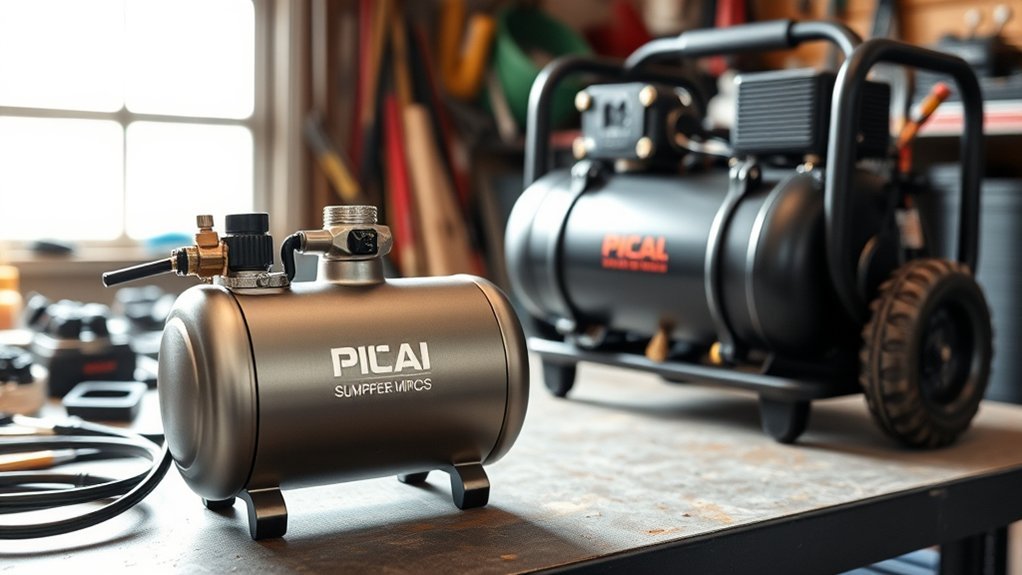
Mini air compressors are best suited for applications that demand portability, low noise, and lower airflow requirements. Their compact design makes them ideal for tasks requiring mobility and minimal disruption. In industrial applications, they excel in precision tasks such as tool operation in confined spaces or maintenance tasks where large compressors are impractical. Automotive uses include inflating tires, powering small pneumatic tools, and detailed bodywork, where portability and quick setup are critical. These compressors are also effective for tasks that require controlled air delivery without excessive noise, ensuring safe and comfortable working environments. Key applications include:
Mini air compressors are ideal for portable, quiet, and precise tasks across industrial and automotive settings.
- On-site industrial maintenance and assembly
- Automotive tire inflation and light repair
- Precision tool operation in workshops and tight spaces
What Features Should You Look for in a Portable Air Compressor?
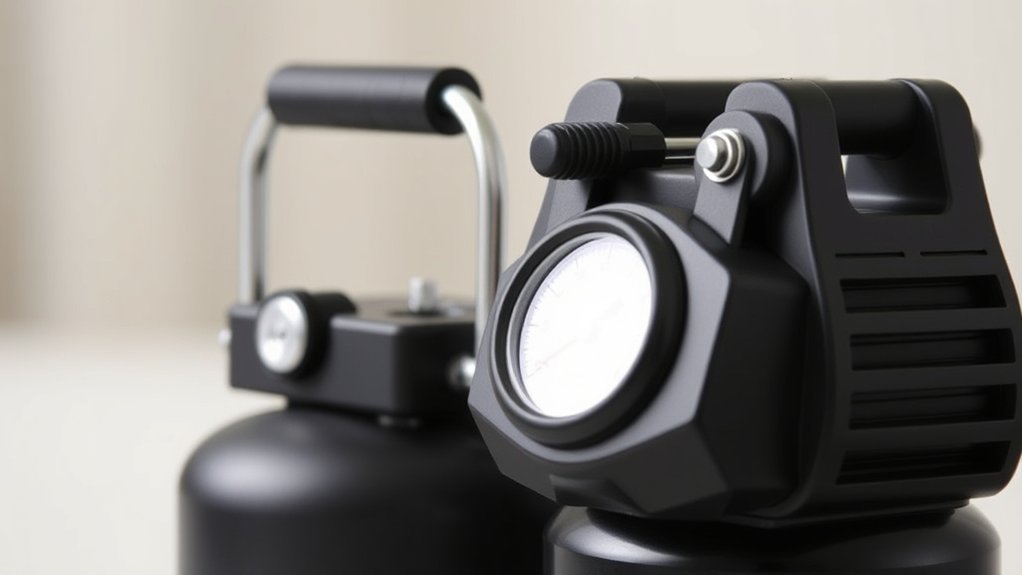
When selecting a portable air compressor, focusing on specific features can profoundly impact its performance and suitability for your needs. Key considerations include air compressor noise levels, which directly affect usability in noise-sensitive environments; quieter models improve comfort and safety. Additionally, compressor safety features—such as automatic shut-off, thermal overload protection, and secure pressure gauges—are crucial to prevent accidents and equipment damage. Portability features like weight, handle design, and ease of transport also contribute to overall functionality. A robust, well-designed safety system minimizes risks during operation, while low noise output enhances user experience. Prioritizing these features ensures the compressor operates efficiently, safely, and comfortably, aligning with both practical and safety standards essential for effective use.
Comparing Power, Capacity, and Performance: Mini vs. Portable Compressors
To effectively compare mini and portable compressors, we need to analyze their power output, capacity, and overall performance metrics. Power determines how quickly each compressor can operate, directly impacting efficiency and usability. Capacity reflects the volume of air delivered, influencing suitability for specific tasks. Performance encompasses factors like noise levels and energy efficiency, which affect operational comfort and cost.
- Mini compressors typically have lower power but excel in energy efficiency, emitting less noise.
- Portable compressors often deliver higher capacity and power, but may generate more noise.
- Both types vary in performance based on design, with portable units generally optimized for higher output but at the expense of increased noise levels.
Understanding these differences helps us choose a compressor aligned with our specific performance, noise, and energy needs.
How Much Do Mini and Portable Compressors Cost? Budgeting for Your Needs
Understanding the cost differences between mini and portable compressors is essential for making an informed purchasing decision that aligns with your budget and project requirements. Mini compressors generally offer lower upfront costs, often ranging from $50 to $150, while portable units can cost between $200 and $500, reflecting their enhanced capabilities. Noise levels are a critical factor influencing pricing; quieter models typically command higher prices due to advanced noise reduction features. Energy efficiency also impacts long-term operational costs, with more efficient models reducing energy consumption over time, justifying a higher initial investment. When budgeting, consider both initial purchase price and ongoing energy and maintenance costs. Balancing these factors guarantees you select a compressor that fits your needs while optimizing performance and cost-effectiveness.
Ease of Use and Portability: Which Compressor Is More Convenient?
When evaluating ease of use, weight and size are critical factors that influence how easily these compressors can be transported and operated. Portable compressors generally feature a compact, lightweight design that enhances mobility, while mini compressors often prioritize minimal dimensions for confined spaces. Assessing these attributes helps determine which device offers greater convenience for specific applications.
Weight and Size
Among the key factors influencing portability, weight and size play a critical role in determining user convenience. Mini air compressors are especially compact and lightweight, facilitating quick setup and minimal strain during operation. Portable compressors, although slightly larger, often feature ergonomic handles that ease lifting and positioning. These dimensions directly impact air compressor maintenance, as smaller units typically require less space and are easier to access for routine checks. Additionally, size influences noise levels; compact models tend to operate more quietly due to reduced internal volume. When evaluating these factors, consider:
- Mini compressors’ reduced weight enhances ease of handling.
- Compact size simplifies storage and reduces setup time.
- Smaller units generally produce lower noise levels, improving overall user experience.
Ease of Transportation
The ease of transportation greatly impacts the practical use of air compressors, influencing how readily they can be moved between work sites or stored when not in use. Mini air compressors often feature battery compatibility, enhancing portability by eliminating the need for external power sources, making them ideal for remote or on-the-go tasks. Portable compressors, however, typically rely on cords or larger batteries, which may limit mobility but can offer longer operation times. Noise levels also play a role; quieter models are easier to use in confined or noise-sensitive environments, improving convenience during transit. Overall, mini compressors excel in portability due to their lightweight design and battery options, while portable compressors provide versatility but may require more effort to transport, especially when considering noise reduction and power source compatibility.
Pros and Cons of Mini Air Compressors Versus Portable Compressors
When comparing mini air compressors and portable compressors, we focus on their size and portability, which directly impact usability in various settings. We also evaluate their power output and performance capabilities, as these determine suitability for different tasks. Analyzing these points helps clarify the advantages and limitations inherent to each compressor type.
Portability and Size
Mini air compressors typically excel in compactness, making them highly portable for quick tasks and tight spaces. Their small size facilitates easy transport, storage, and deployment in confined areas. However, this compactness often results in increased noise levels, which can be disruptive in sensitive environments. Conversely, portable compressors tend to be larger, offering better energy efficiency and generally lower noise levels, but at the cost of reduced portability. Their size allows for higher capacity and longer operation times, suitable for more extensive projects. When comparing the two, consider:
- Mini compressors are ideal for brief, on-the-spot tasks, emphasizing mobility.
- Portable compressors balance size with performance, offering a compromise between portability and efficiency.
- Noise levels tend to be higher in mini units, impacting usability in noise-sensitive settings.
Power and Performance
While mini air compressors are designed for portability, their power output and performance often limit their suitability for demanding tasks. They typically generate lower airflow and pressure, which can impact air quality by producing inconsistent or insufficient airflow for precise applications. Noise levels tend to be lower, making them ideal for quiet environments, but this often correlates with reduced power. Conversely, portable compressors generally offer higher pressure capacities and more consistent performance, making them better suited for heavy-duty tasks requiring sustained airflow. However, increased power often results in higher noise levels, which can be a drawback in noise-sensitive settings. Ultimately, the choice hinges on balancing the need for sufficient power and airflow with acceptable noise levels and air quality considerations.
When Should You Choose a Mini Air Compressor Over a Portable One?
Determining the most suitable scenario for selecting a mini air compressor hinges on evaluating specific use cases and operational constraints. Mini compressors excel when energy efficiency and low noise levels are priorities, especially in confined or noise-sensitive environments. They are ideal for tasks requiring intermittent, low-volume airflow, such as delicate assembly work or small-scale repairs. Consider choosing a mini compressor when:
Choose a mini air compressor for quiet, energy-efficient, low-volume tasks in confined or noise-sensitive environments.
- Portability is essential for frequent movement between locations
- Quiet operation minimizes disruption in noise-sensitive settings
- Energy efficiency reduces operational costs during short, low-demand tasks
These factors make mini air compressors advantageous over portable units in applications where space, noise, and energy consumption are critical considerations. They provide targeted, efficient performance without the bulk or power capacity of larger portable compressors.
Tips for Maintaining and Extending the Life of Your Air Compressor
Proper maintenance is essential to guarantee your air compressor operates efficiently and has a long service life. Implementing consistent maintenance routines, such as regularly inspecting and replacing filters, prevents contaminants from damaging internal components. Lubrication is critical; adhering to manufacturer-recommended schedules reduces wear and overheating. Draining moisture from the tank prevents corrosion, which can compromise system integrity. Additionally, monitoring operating pressure and temperature helps identify potential issues early, minimizing downtime. Longevity tips also include avoiding overloading the compressor and ensuring proper storage in a clean, dry environment. By following these maintenance routines diligently, you extend the compressor’s reliability and efficiency, ultimately protecting your investment and reducing long-term operational costs.
Frequently Asked Questions
Can Mini Air Compressors Handle Heavy-Duty Tasks?
Mini air compressors generally lack the heavy-duty capacity needed for demanding tasks, often raising durability concerns. They excel in light applications but aren’t designed to withstand continuous, high-pressure workloads typical of heavy-duty tasks.
How Loud Are Mini Versus Portable Air Compressors?
We find that mini air compressors are generally quieter than portable compressors, with lower noise levels and a more favorable sound comparison, making them suitable for noise-sensitive environments; however, actual sound levels depend on specific models and operating conditions.
Do Mini Compressors Require Special Maintenance?
Mini compressors require a regular maintenance schedule, including lubrication to prevent wear and guarantee peak performance. They have specific lubrication requirements, typically needing oil checks and refills, emphasizing the importance of consistent upkeep for longevity and efficiency.
Are There Battery-Powered Options for Mini Compressors?
We’ve found that many mini compressors are battery-powered, making them highly portable. They often feature battery compatibility and multiple charging options like USB or AC, ensuring reliable power for on-the-go tasks without sacrificing convenience or efficiency.
Which Compressor Type Is More Energy-Efficient?
We find portable compressors generally more energy-efficient due to their design optimized for specific tasks, resulting in lower energy consumption. The efficiency comparison shows mini air compressors often have higher energy use relative to their size and output.
Conclusion
Ultimately, selecting between a mini air compressor and a portable one hinges on understanding your specific needs. Will you prioritize compactness and quick tasks, or require sustained power for demanding jobs? The decision isn’t straightforward, and the right choice could greatly impact your efficiency. Stay tuned—we’ll reveal the key factors that can tip the scales in your favor, ensuring you make an informed, strategic decision for your unique applications.